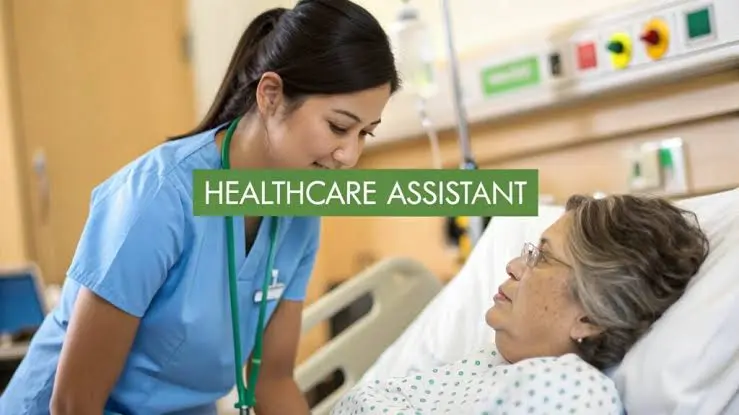
Course Syllabus
Module 1: Introduction to Healthcare & Professionalism
- Healthcare Systems: Overview of hospitals, clinics, and community or long-term care environments.
- Role of an HCA: Duties, legal boundaries, and responsibilities within a multi-disciplinary medical team.
- Professional Values: Maintaining patient dignity, confidentiality, privacy, and person-centered care.
- Ethics and Legalities: Basic healthcare legislation, data protection, and safeguarding vulnerable patients. [1, 2, 3, 4]
Module 2: Basic Anatomy & Physiology
- Human Body Structure: Major organ functions and body systems (cardiovascular, respiratory, digestive, musculoskeletal, and nervous systems). [1, 2]
- Clinical Parameters: Understanding normal versus abnormal baseline body functions. [1, 2]
- Common Pathologies: Basic overview of chronic and acute conditions such as diabetes, hypertension, stroke, and chronic obstructive pulmonary disease (COPD). [1]
Module 3: Infection Prevention & Patient Safety (IPC)
- Chain of Infection: How germs spread and methods to break the chain.
- Standard Precautions: Proper hand hygiene, correct usage and disposal of Personal Protective Equipment (PPE like gloves and aprons), and aseptic techniques.
- Waste Management: Safe handling of sharps, clinical waste, and contaminated materials.
- Safety Protocols: Incident reporting, near-miss documentation, and fall prevention strategies. [1, 2, 3, 4]
Module 4: Patient Care & Personal Hygiene
- Daily Living Support: Assisting patients with bathing, showering, grooming, shaving, and oral care.
- Bedmaking & Comfort: Making occupied and unoccupied beds, and preventing pressure sores (bedsores) through skin care.
- Elimination Needs: Assisting with toileting, managing bedpans/urinals, and changing incontinence pads. [1, 2, 3, 4]
Module 5: Vital Signs & Clinical Observations
- Measuring Vital Signs: Techniques for checking body temperature, pulse rate, respiration rate, blood pressure, and blood oxygen levels (SpO₂) using pulse oximeters.
- Blood Glucose Monitoring: Assisting with basic finger-prick blood sugar checks.
- Reporting and Recording: Documenting observations accurately and reporting changes to a registered nurse.

 Bestseller